Every trader lives under the same sky. That sky is the Federal Reserve.
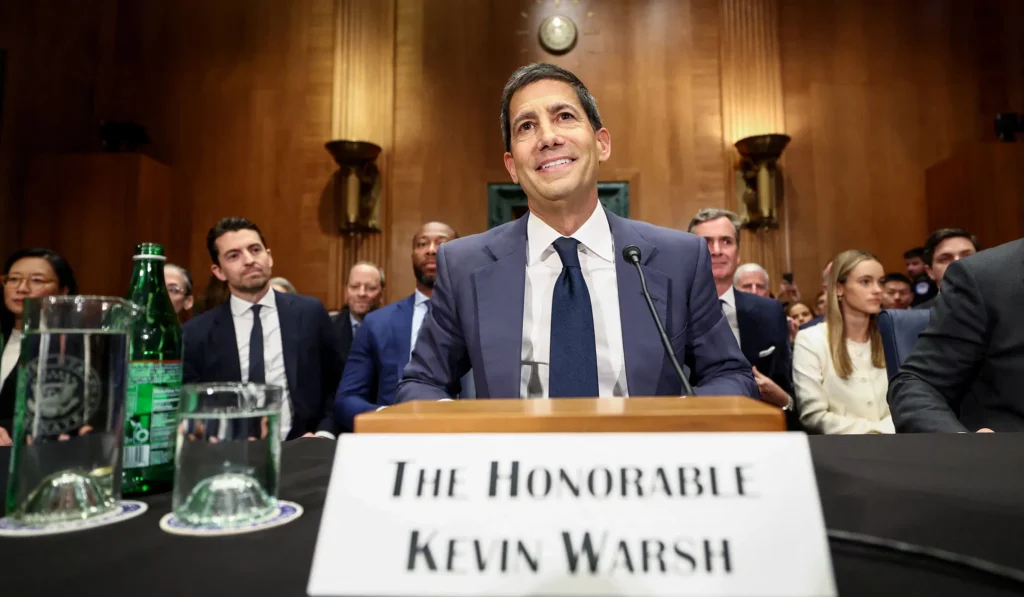
In about half a month, Jerome Powell will step down. The likely successor is Kevin Warsh.
Young, ambitious, and ready to make a mark. As the saying goes, a new leader brings new changes. And Warsh is not holding back. He is talking about major reforms at the Fed.
For traders, the weather may be about to change.
Let’s take a look at what he said during the April 21 hearing.
1. Lower tolerance for inflation
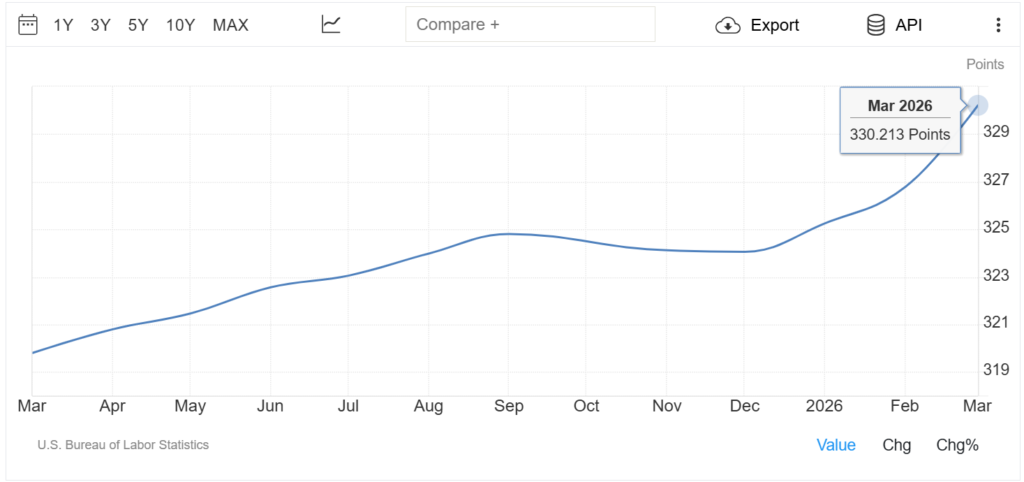
Powell has been relatively tolerant of inflation. When oil prices surge, he often reassures the market that inflation is under control and that rate cuts are not on the table.
Warsh sees it differently. He said, “Inflation is a choice.” In his view, persistent inflation is not just about external shocks like oil. It reflects policy mistakes. He pointed to 2021 to 2022 as a “critical policy error” when pandemic stimulus and supply chain disruptions pushed prices higher. Once inflation takes hold, it becomes much harder to bring down.
He also questioned the Fed’s strict 2% inflation target. In his view, there is no meaningful difference between 2% and, say, 1.8%. But the Fed’s rigid focus on a precise number has led to poor decisions. For example, easing policy simply because inflation dips slightly below 2% may have helped set the stage for the surge that followed.
These comments sound hawkish. With inflation risks rising again, the market worries that Warsh could push for balance sheet reduction and tighter liquidity, which would pressure markets in the short term.
But is he really a hawk? Not exactly.
Warsh avoided labeling himself. Instead, he emphasized objectivity. Policy should respond to real conditions, not political pressure. If inflation rises, tighten. If the economy weakens, ease.
In simple terms, he is not choosing sides. He is data-driven.
2. Balance sheet reduction plus rate cuts
One of Warsh’s most discussed ideas is combining balance sheet reduction with rate cuts.
The dovish angle is this. He argues that shrinking the balance sheet creates room to cut rates. Every 1 trillion dollars of reduction is roughly equivalent to 50 basis points of easing space.
So why does he think this way?
Go back to the 2008 financial crisis. After the crisis, the world faced weak demand. Central banks launched multiple rounds of quantitative easing. The Fed bought large amounts of Treasuries, expanding its balance sheet and injecting liquidity. Monetary and fiscal policy became tightly linked.
Then came 2020. The pandemic triggered another wave of massive easing. It helped stabilize the economy, but it also led to a surge in money supply. The inflation problem we see today is partly a result of that. Add the oil shock from the US–Iran conflict, and the pressure is even greater.
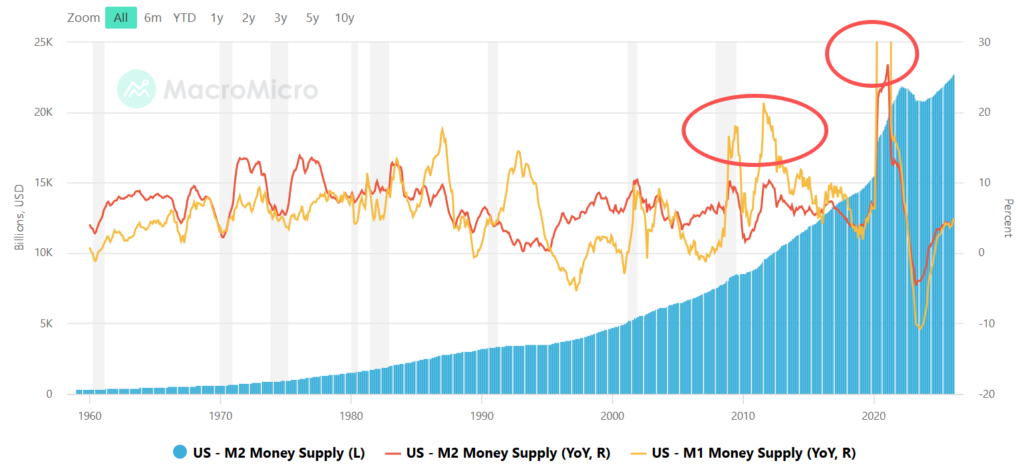
Now the situation has changed. The concern is no longer weak demand or deflation. It is inflation.
Warsh’s proposals aim to clean up the legacy of the past two decades. He wants the Fed to return to a more rules-based and predictable framework and to separate itself from fiscal policy. In short, he wants the Fed to be an independent monetary authority again.
That is why he stresses independence.
That is why he pushes for balance sheet reduction.
So what is the bottom line?
Warsh is not against rate cuts. He actually wants them. But first, inflation needs to be addressed. And in his view, the key tool is not more rate hikes but reducing the balance sheet.
3. He still has to take the job.
A hearing is like a job interview. It does not guarantee he will take office.
Warsh is a reformer. His ideas could face resistance from moderates and opposition within the system. Political support also matters.
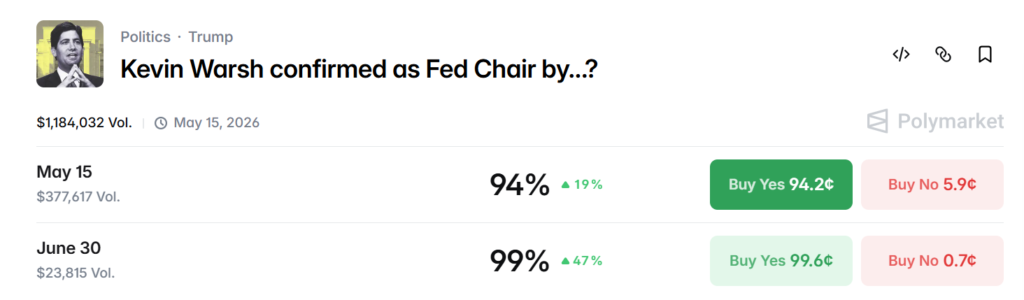
For now, the market thinks his chances are high.
But even if he takes the role, implementing these reforms will not be easy.
First, the Iran situation remains uncertain, and inflation could rise again. Even with balance sheet reduction, there may not be much room to cut rates. At the same time, the US fiscal deficit remains large, and government borrowing needs are high. If the Fed shrinks its balance sheet too quickly, it could create stress in the Treasury market.
Second, Warsh plans to ease bank regulations so that commercial banks can absorb the impact of balance sheet reduction. But that requires coordination across agencies and will take time, possibly a year or more.
This means that any rate cuts he promises are likely a story for later, not now.
In the near term, the focus will be on gradual balance sheet reduction. And that could come with more hawkish rhetoric, especially around fighting inflation, which may keep markets on edge.
But do not lose sight of the bigger picture.
All of this may be laying the groundwork for future rate cuts.