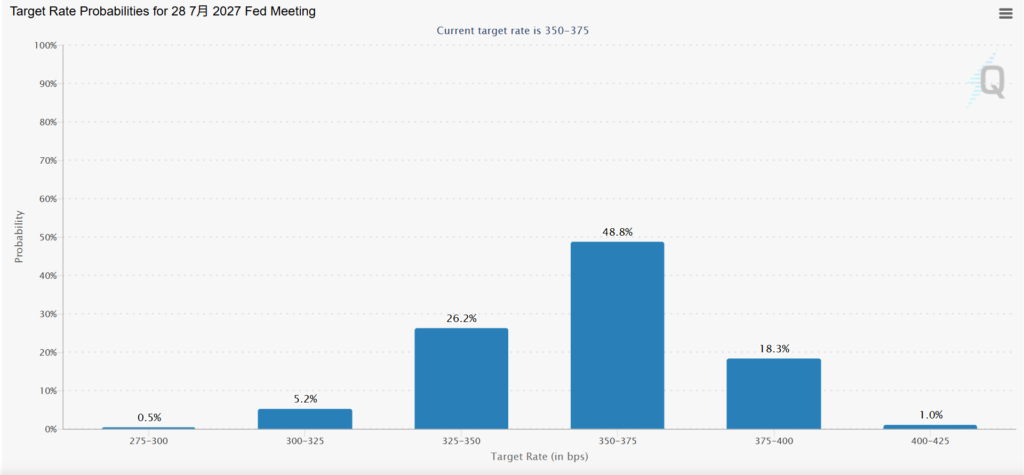
Just a month ago, the market was debating when the Fed would cut rates. The question was not “if” but “when” and “by how much.”
Everything changed when the war broke out in Iran. This Monday, Brent crude opened high at $106.5 and maintained its upward trend.
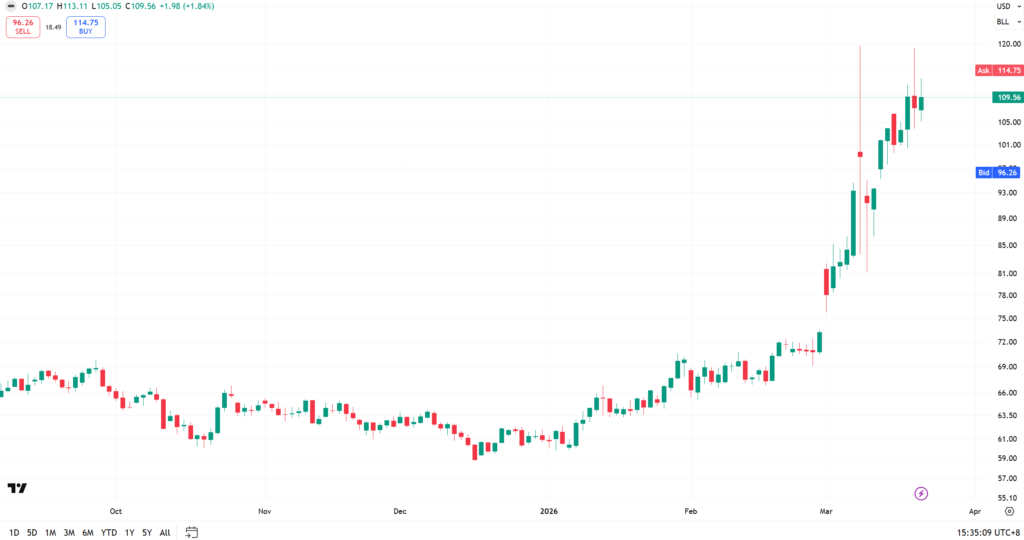
Initially, the markets believed the war would end quickly. People dismissed the drops in stocks and gold as mere emotional panic. But with the war passing the two-week mark, people are starting to wonder:
- Will this “quick war” actually become a years-long conflict?
- Will oil stay above $100 in the long run?
- Will inflation return and drag the world into stagflation or recession?
1. The Oil Crisis
Any disruption of the Strait of Hormuz, a choke point for 20% of global oil and massive amounts of natural gas, triggers an energy crisis. Although the IEA announced an emergency release of 400 million barrels from strategic reserves, it only covers about 20 days of the gap and will take weeks or months to process.
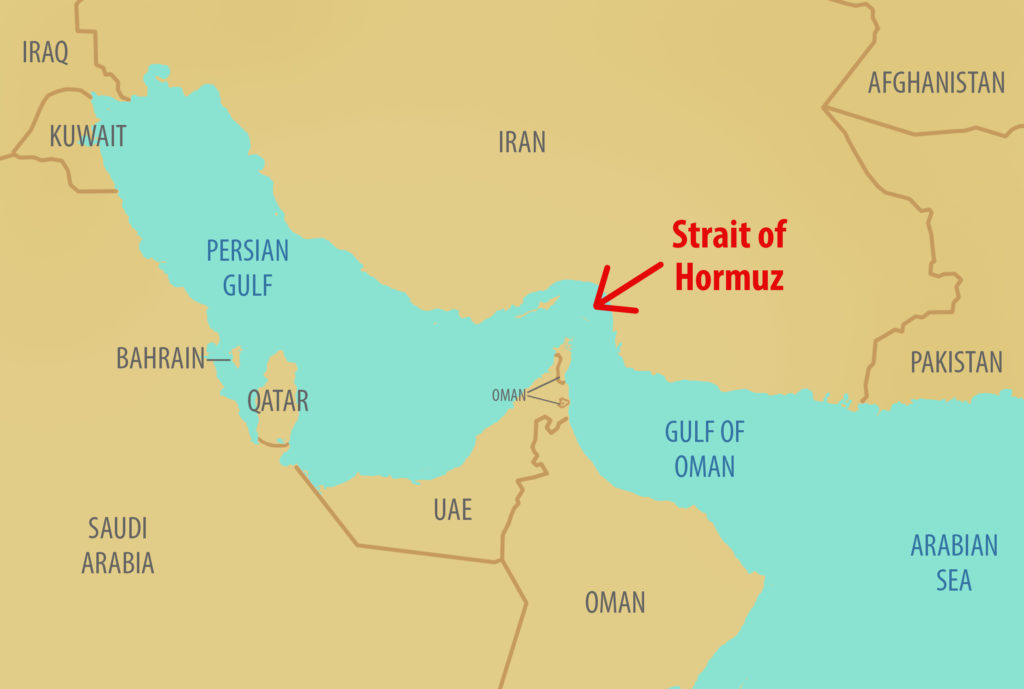
In the past, Middle East tensions were manageable, but now the crisis involves Iran and the Strait of Hormuz directly. Surging energy prices reflect that the market has shifted its expectations from a short war to a long one. Senator Christopher Murphy stated publicly that the White House had no expectations or plans for the Strait. In short, Trump never saw this crisis coming.
This is America’s Achilles’ heel. Inflation is Iran’s weapon against the U.S., and it is more effective than missiles. It is Iran’s strategy to block the Strait to exert pressure on the U.S.
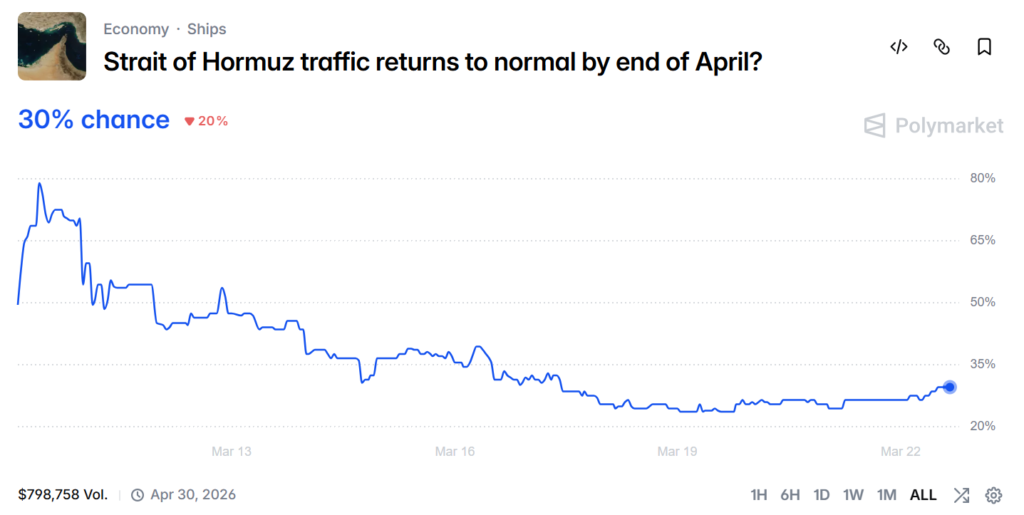
As the odds of the Strait reopening by April continue to drop, people are facing a harsher question:
If energy prices keep surging, will the Fed have to hike rates?
That is a terrifying thought.
2. Is Stagflation Coming?
U.S. CPI usually consists of housing, food, transportation, and healthcare. In February, U.S. CPI YoY was 2.4%, but the real impact came from food and housing, which rose 2.98% and 3.31%, respectively. Before the war, energy had little impact on CPI. However, once energy prices rise, this factor will inevitably push the overall inflation rate higher.
Furthermore, the blockage of the Strait affects more than just energy. About 1/3 of the world’s seaborne fertilizer trade passes through the Strait, which will directly drive up U.S. spring planting costs, making pizzas more expensive. The core of this inflation is not just a lack of oil but the fact that goods like fertilizer are stuck too.
How high will inflation go?
The rule of thumb from Chair Powell is that every $10 increase in oil adds 0.2% to U.S. inflation. If oil rises from $70 to $120, inflation will rise by 1% to reach roughly 3.4%. UBS warned that if the war lasts until April, oil could hit $150 and push inflation to 5%. Carl Weinberg of High Frequency Economics predicts inflation will hit 3.5% this summer.
Will the economy crash?
In February 2026, non-farm payrolls decreased by 92,000, far below the expected increase of 59,000. The unemployment rate rose to 4.4%. The main drags were healthcare, IT, and professional services, which are the sectors hit hardest by AI.
I maintain that AI has triggered a new capacity cycle, keeping the U.S. economy in an expansionary phase. In February, the U.S. Markit PMI was 51.6, beating the expected 51.2. The ISM Manufacturing PMI was even higher at 52.4. Additionally, the Sahm Rule Recession Indicator continued to drop to 0.27. Since a recession is only signaled above 0.5, the U.S. economy was strong before the war.
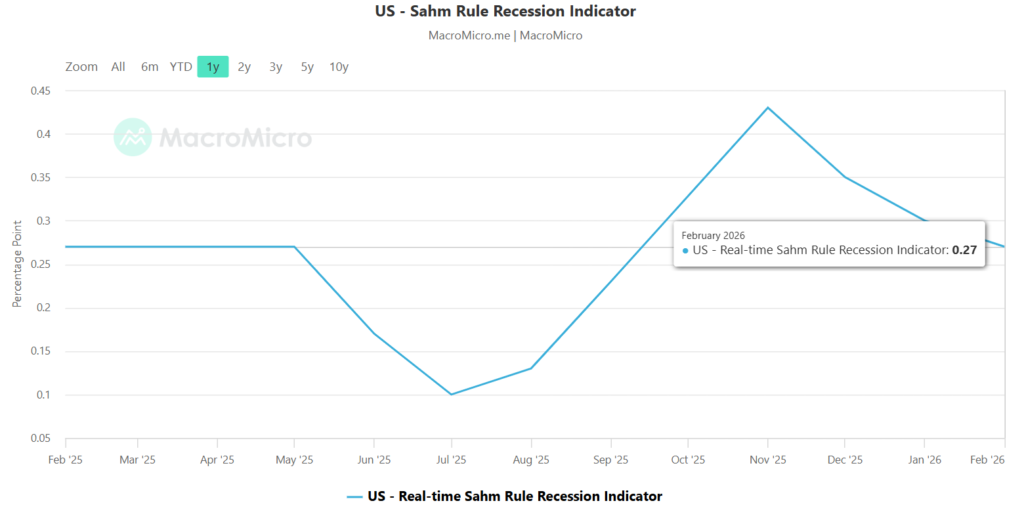
Inflation will return, but it is too early to say “stagflation” or “recession.” The U.S. economy is still robust, and AI is booming. The job market is weak due to tech disruption, not an economic depression.
3. A Return to Rate Hikes?
Inflation is rebounding, but will the Fed hike? Economists are divided, but the word “hike” is officially back on the table. I believe a hike is unlikely. If the war continues, the Fed will likely stay on hold.
The Fed must balance growth, jobs, and inflation. They cannot simply hike when inflation rises. The biggest obstacle is the labor market. AI has created a “soft balance” where employment is neither strong nor desperate. Companies are cautious about hiring, and workers are cautious about quitting. Some economists even think the Fed might cut rates to save jobs if oil prices trigger a recession. ANZ Bank even predicts the policy rate will drop to 3.0% by late December 2026.
Another reason the Fed will not hike is that the federal funds rate is still at historic highs. The U.S. debt crisis is another risk that worries economists. At this critical juncture, hiking rates would only increase the danger of a crisis.
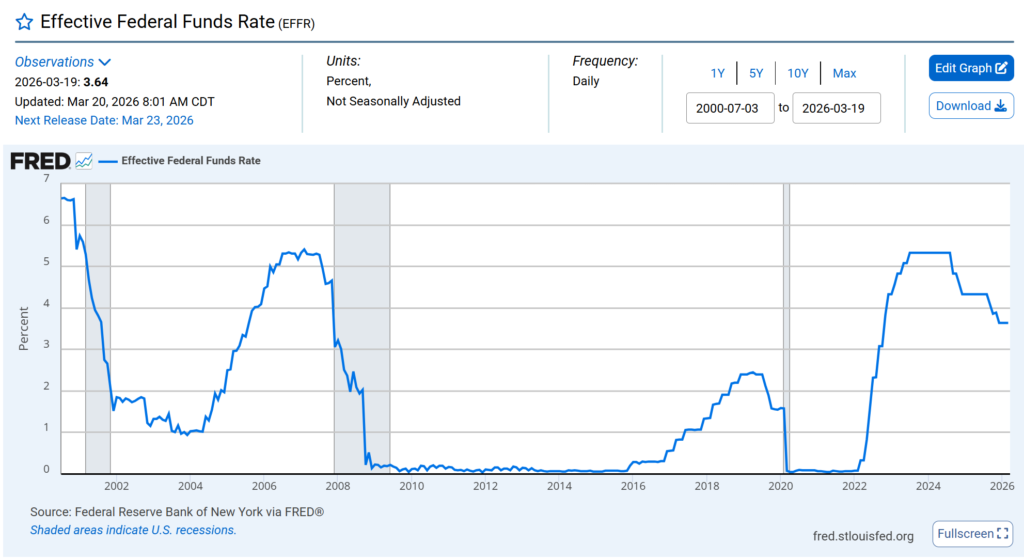
CME data shows the probability of staying on hold remains above 50% until July 2027. The only thing we can be certain of is that, with oil prices rising, the dream of a rate cut has been shattered.