The whole world is watching Iran. The US and Israel launched a strike against Iran, and the event quickly triggered sharp volatility in global markets. Stocks fell, and assets closely linked to Middle East conflicts, especially gold and crude oil, once again became the center of attention.
But the opportunities are not limited to gold and oil.
In fact, another asset may be a more certain and longer-lasting opportunity.
That asset is the Japanese yen.
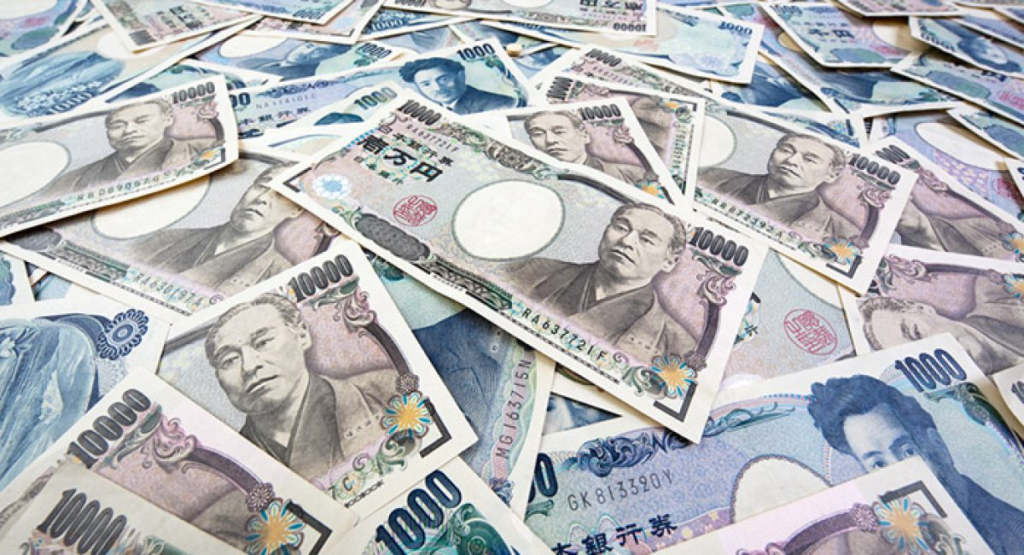
1. Strong Oil, Weak Yen
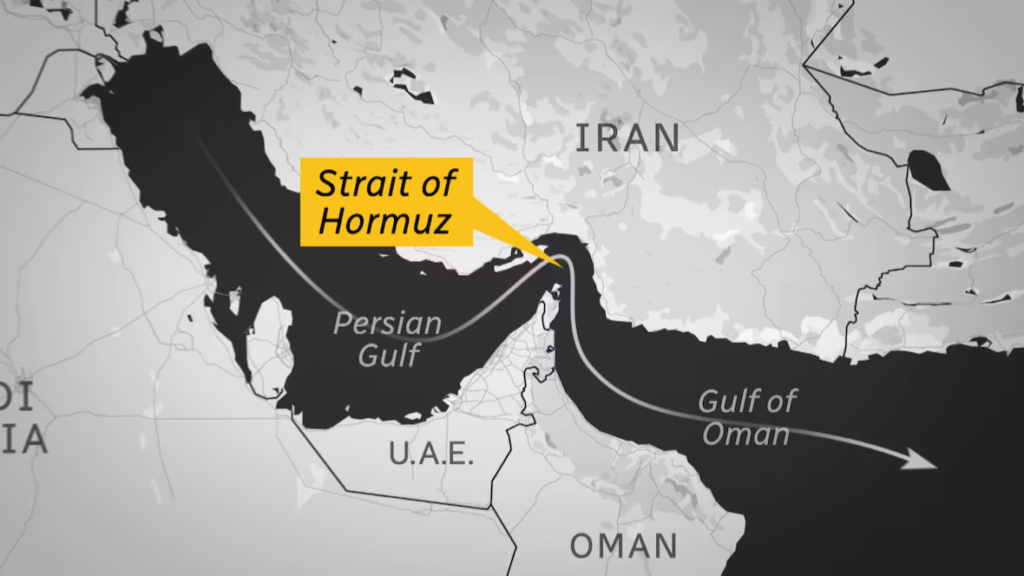
The Strait of Hormuz, the narrow waterway connecting the Persian Gulf and the Arabian Sea, is extremely important for resource-poor Japan. Around 75% to 80% of Japan’s oil imports pass through this strait. If it were blocked, Japan’s economy would suffer a severe shock.
Japan is an island nation with a relatively small domestic market, so its economy depends heavily on exports. The Japanese government is generally comfortable with a weaker yen, since a weaker currency supports exports. This is also why Japan has often maintained negative interest rates. It reflects the unique structure of Japan’s economy.
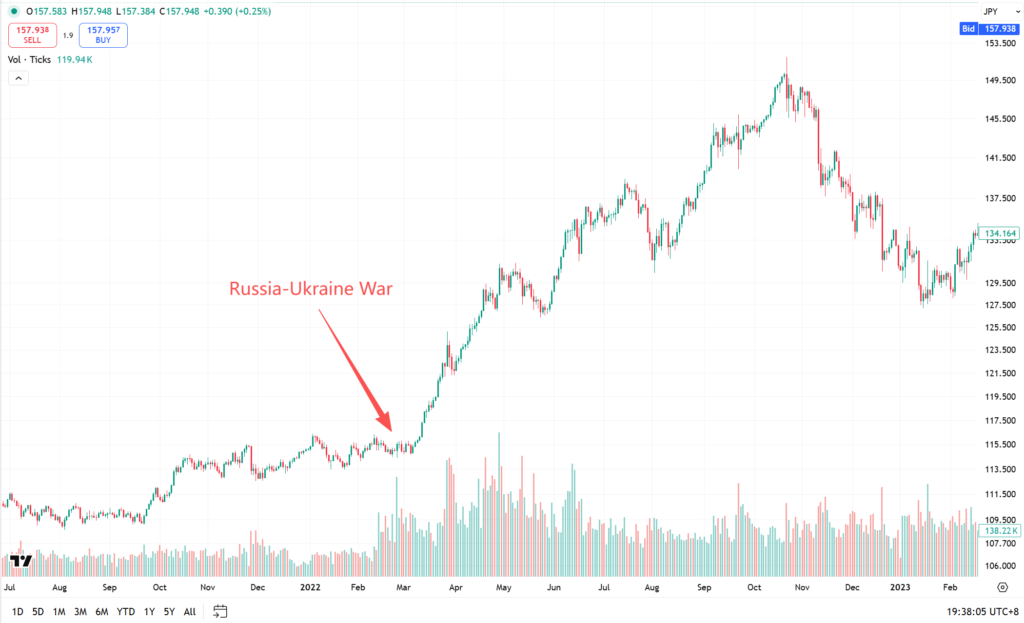
The USDJPY exchange rate is a good example. In February 2022, when the Russia–Ukraine war broke out, USDJPY surged quickly. Rising oil prices hurt Japan’s economy, and the market expected the yen to weaken to support exports.
2. Stronger Dollar During the War
A currency is like a country’s stock. When a nation’s competitiveness rises, its currency tends to strengthen.
This also explains why gold recently fell even though war broke out. Money that might have gone into gold flowed into the USD instead.
Why?
Because at the moment, the United States appears to have the upper hand. That suggests stronger U.S. and Israeli influence in the Middle East. As a result, capital is selling gold and buying dollars. People believe that the U.S. will strengthen its competitiveness since Iran is failing.
If you look at the U.S. Dollar Index (DXY), it has indeed been rising.
3. USDJPY: A Powerful Trend Created by Opposite Forces
Now we know two things.
- Rising oil prices could seriously hurt Japan’s economy, which may weaken the yen.
- If the U.S. and Israel win the war, they will gain more influence in the Middle East, and the dollar will become stronger.
When these forces pull in opposite directions, USDJPY can develop a powerful trend.
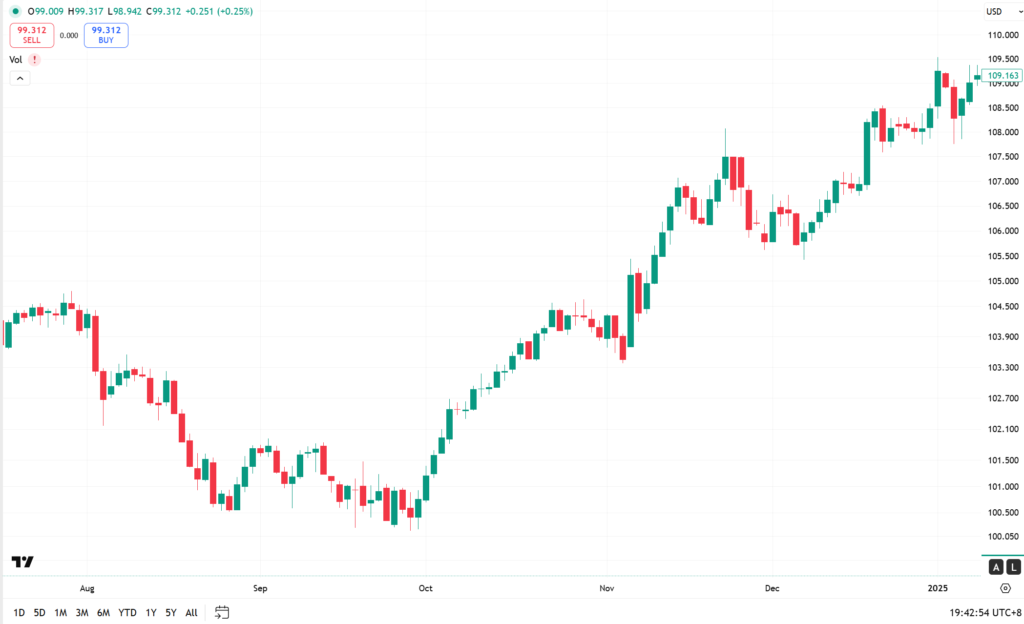
In fact, this trend may just be beginning. During the negotiations between the U.S. and Iran, the market had already started pricing it in, buying dollars and selling yen. After the conflict started, the dollar briefly dropped as expectations were priced in, but buyers quickly pushed it higher again.
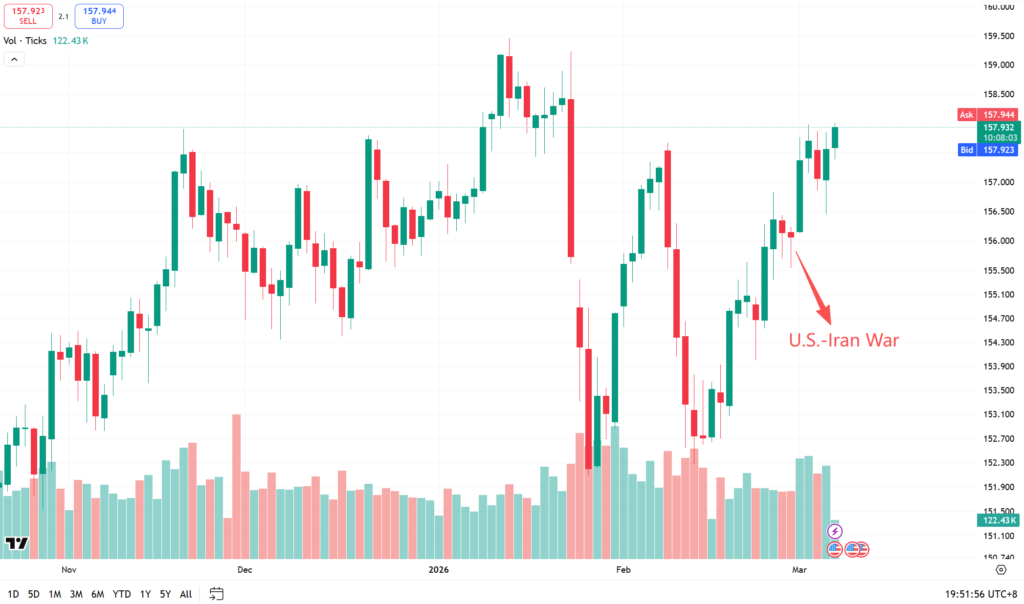
On shorter timeframes, the uptrend in USDJPY over the past few days is already clear. Price has formed a steady ascending channel.
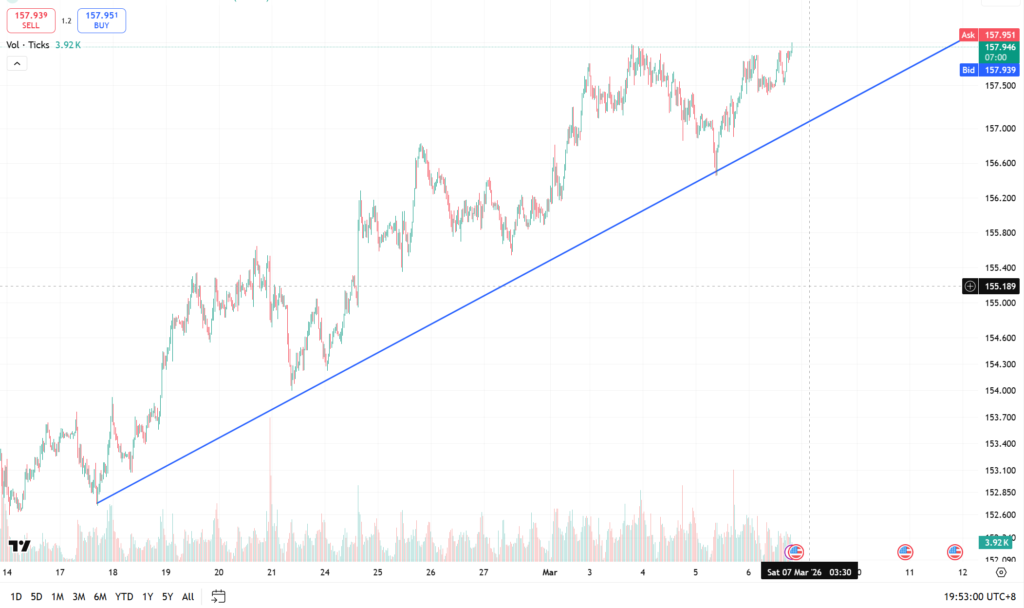
Trump hoped for a quick resolution, but Iran’s resistance has been strong. No one knows how long this conflict will last. What is clearer is that U.S. and Israeli influence in the Middle East is likely to strengthen in the future.
USDJPY often shows the strongest trends. In addition, the pair benefits from a classic carry trade. Traders can sell the low-interest yen and hold the higher-yielding dollar. Even the overnight interest can be attractive, which makes long-term positions possible.
Of course, markets always carry risk. Japan’s Ministry of Finance is known for verbally intervening in the currency market, which can create sharp volatility in the yen. Traders must always manage risk carefully.